Introduction
In the realm of healthcare, stoma care is a specific field that calls for both expertise and concern. As even more individuals undertake treatments that lead to the creation of a stoma-- whether because of illness, surgical treatment, or injury-- the demand for knowledgeable carers who can give reliable assistance has never been better. This short article looks into the details of stoma care training, intending to encourage those in caregiving roles. With correct education and training, carers can considerably boost the lifestyle for those living with a stoma.
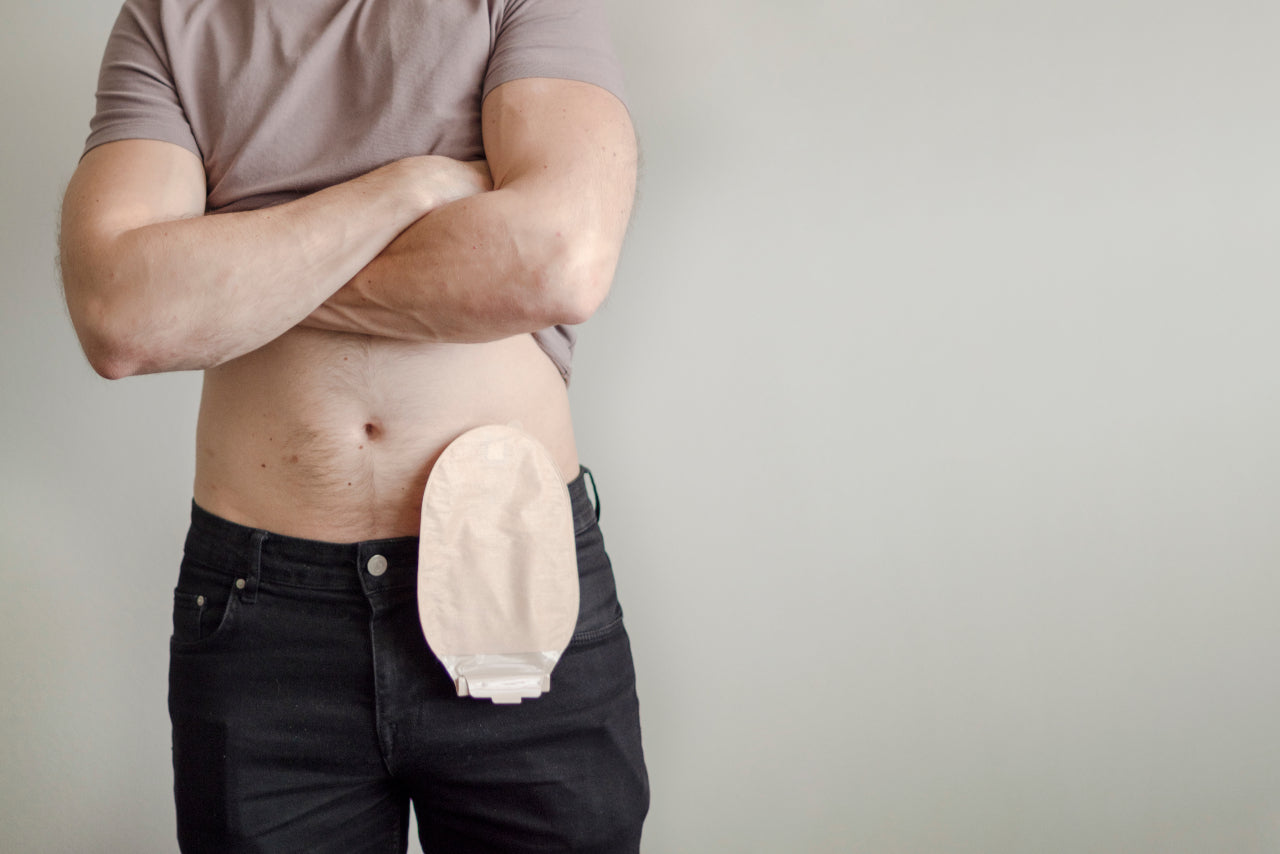
Understanding Stomas: What Is a Stoma?
A stoma is a man-made opening created throughout operations to allow for waste removal from the body. It may be short-term or irreversible and can arise from surgical website procedures associated with bowel diseases, cancer cells, or congenital issues. Understanding what makes up a stoma is critical for any kind of caretaker involved in stoma care training.
What Is an Ostomy?
An ostomy refers to the procedure that produces a stoma. It incorporates different types based upon the part of the body involved-- colostomy (huge intestine), ileostomy (little intestinal tract), and urostomy (urinary system). Each type provides one-of-a-kind obstacles and considerations in care.
What Is Ostomy Care?
Ostomy care involves managing and caring for the stoma as well as the bordering skin. Proper ostomy care is vital for protecting against difficulties such as skin irritations, infections, and various other pains connected with living with an ostomy.
The Importance of Stoma Care Training for Carers
Stoma treatment training is essential for carers since it equips them with the needed skills to provide efficient aid. A well-trained carer can assist people manage their problem with confidence, resolving both physical and emotional needs.
Why Ought to Carers Pursue Specialized Training?
Specialized training helps carers recognize:
- The anatomy and function of numerous types of stomas. The mental influence on clients post-surgery. Techniques for changing ostomy bags safely. How to identify prospective problems early.
NDIS Complex Bowel Care Training: Satisfying Diverse Needs
For carers working within structures like the National Special Needs Insurance System (NDIS), complex bowel care training becomes necessary. This program uses details assistance customized in the direction of individuals with impairments calling for specialized bowel monitoring techniques.
Complex Bowel Treatment Program Overview
A complex bowel care course typically covers:
Anatomy appropriate to bowel health. Different sorts of bowel disorders. Techniques for handling irregular bowel movements and fecal incontinence. Best techniques in health and safety and security during bowel treatment procedures.Benefits of NDIS Complex Bowel Care Training
The advantages include:
- Enhanced understanding of individual needs. Improved person outcomes through tailored interventions. Increased confidence among carers when providing support.
Bowel Treatment Administration: Secret Principles
Effective bowel care management includes a number of key concepts that every carer ought to understand:
Regular surveillance of digestive tract habits. Maintaining appropriate hydration levels. Promoting nutritional adjustments when necessary. Recognizing indicators that show modifications needing clinical attention.Caring for an Ostomy: Best Practices
Caring for an ostomy requires certain strategies aimed at advertising convenience and health while lessening complications.
Daily Administration Techniques
- Inspecting the Stoma: Routine checks make sure any problems are attended to promptly. Cleaning Procedures: Utilizing mild cleansers keeps skin irritation at bay.
Selecting Appropriate Products
Choosing ideal ostomy products-- like bags and adhesive wafers-- based on specific choices improves convenience degrees significantly.
Common Obstacles Dealt with by Carers in Stoma Care
While taking care of a person with a stoma can be fulfilling, it additionally presents obstacles that require skillful navigation.
Emotional Assistance Needs
Patients commonly experience anxiety or depression post-surgery; hence, offering emotional assistance is critical.
Physical Complications
Skin breakdown or leakage from ostomy bags prevail problems that need immediate interest from experienced carers.
Stoma Care Training Programs Available Today
Various training programs exist aimed at outfitting caregivers with important skills in stoma care:
Online courses In-person workshops Comprehensive qualification programsEach program concentrates on boosting expertise pertaining to stomas while providing useful options tailored towards real-life situations faced by both clients and carers alike.
Creating a Helpful Setting For Patients With Ostomies
Empowering patients includes creating an encouraging environment where they feel comfortable discussing their experiences openly without anxiety or embarrassment.
Open Interaction Channels
Encouraging discussion in between patients and caretakers fosters trust which causes far better health and wellness end results overall.

Encouragement With Peer Support Networks
Connecting people with peer support groups enables people to share experiences, coping techniques, and sources-- all important devices for anybody adjusting to life with an ostomy!
Frequently Asked Concerns (Frequently asked questions)
1. What certifications do I require for stoma care training?
Typically, no formal certifications are called for; however, previous experience in healthcare or caregiving can be useful when pursuing specialized training courses concentrated on stomas or digestive tract administration practices.
2. How much time does it take to finish a complex bowel care course?
Course sizes vary depending upon content depth however typically range from eventually as much as a number of weeks if comprehensive qualification is demanded completion!
3. Can I offer individual assistance without formal training?
While individual assistance is always appreciated by those living with conditions requiring intricate monitoring methods like ostomies-- official education ensures you have adequate understanding regarding potential issues & & ideal practices!
4. Are there on-line options readily available for learning more about ostomy care?
Yes! Several organizations supply on the internet training courses created specifically around informing caretakers about effective ways they can aid individuals changing post-surgery!
5. Do I need specialized devices or items when caring for someone's ostomy?
Yes! Certain materials such as obstacle creams & & specific kinds of pouches may assist significantly in preserving skin integrity around locations directly influenced by having an artificial opening created surgically!
6. Exactly how can I remain upgraded on best techniques regarding stomas?
Regularly participating in workshops/webinars in addition to registering for appropriate magazines guarantees you remain enlightened about innovations taking place within this critical location worrying healthcare shipment systems today!
Conclusion
In conclusion, mastering the art of supplying reliable assistance via stoma care training engenders not just technical efficiency however additionally deep compassion in the direction of individuals browsing life post-stomach surgeries resulting either temporarily/permanently modifying body functions! By encouraging caregivers through education-focused campaigns like these described above-- individuals get not just clinical expertise however psychological encouragement throughout their trip towards recovery! Every person is entitled to caring assistance regardless of scenarios encountered along paths in advance filled up uncertainties ahead so allow us aim with each other towards building brighter futures ahead one trained carer at time!
By prioritizing continuing education and learning possibilities surrounding subjects such as "what is a stoma" & & "looking after an ostomy," we guarantee our communities promote resilience amongst at risk populations impacted significantly due continuous fights fought daily versus persistent diseases requiring thorough alternative approaches customized particularly towards success experienced eventually with collective initiatives made collectively within culture itself!